Source Carbon Fiber Diving Fins for Scuba, Freediving, and Snorkeling
Explore 30 carbon fiber diving fins options from China. Compare adjustable scuba models, long-blade freediving designs, and rubber-blade variants. Review specifications like stiffness, material composition, and packaging details to find suitable suppliers for bulk orders; compare the available evidence and request quotations based on your requirements.
Key considerations
Products List
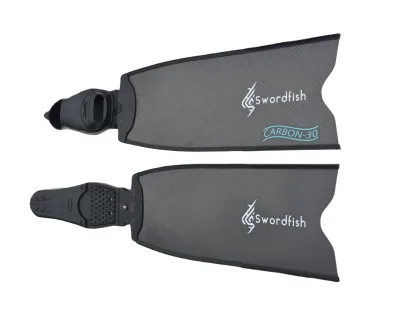
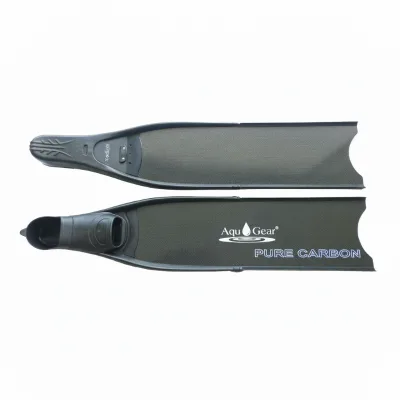
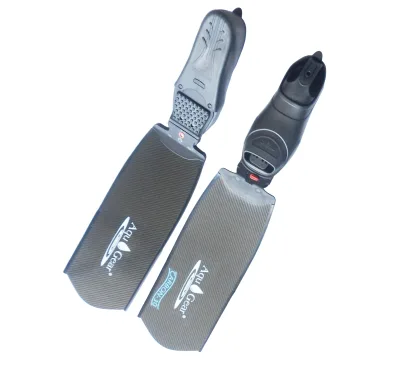
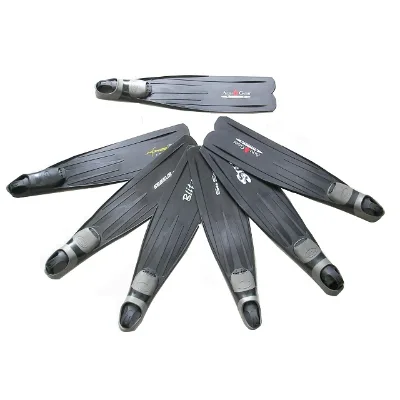
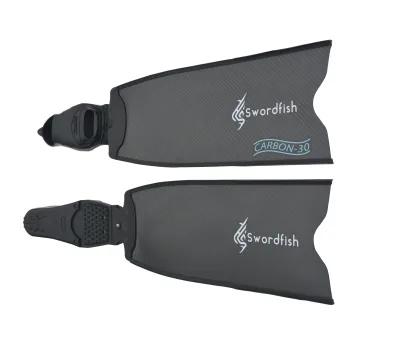
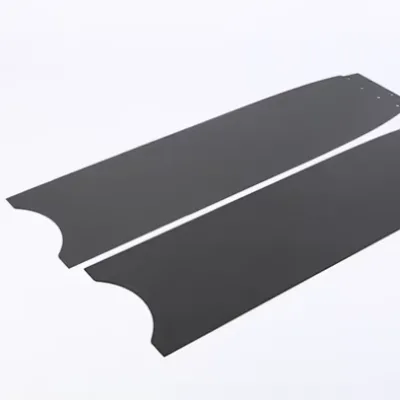
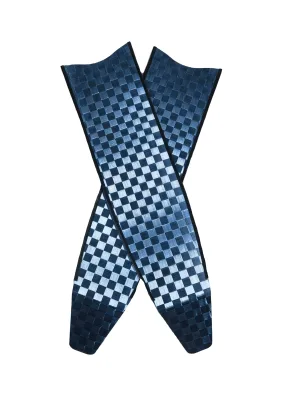
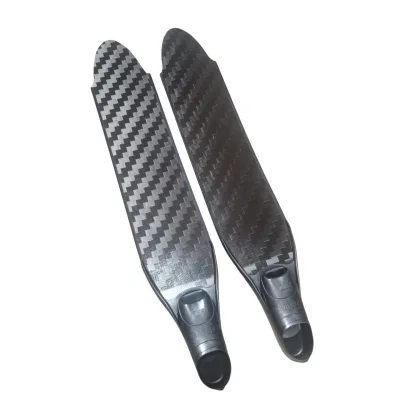
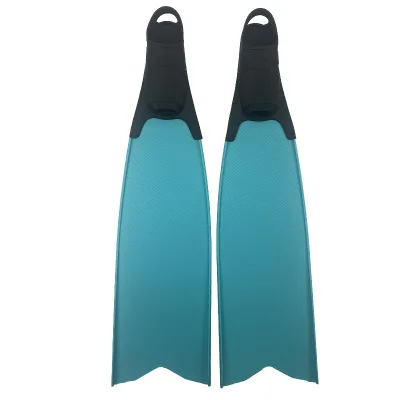
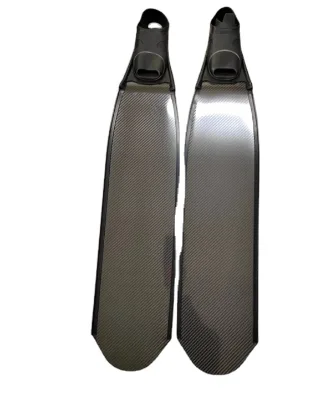
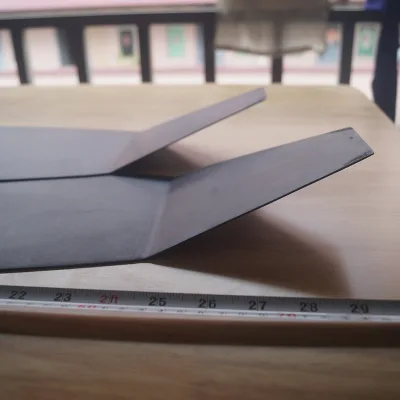
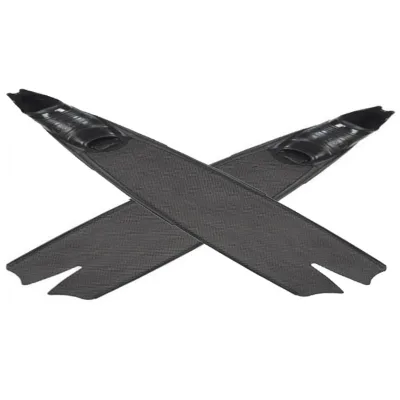




Comprehensive Sourcing Guide
Carbon Fiber Diving Fins Sourcing Guide
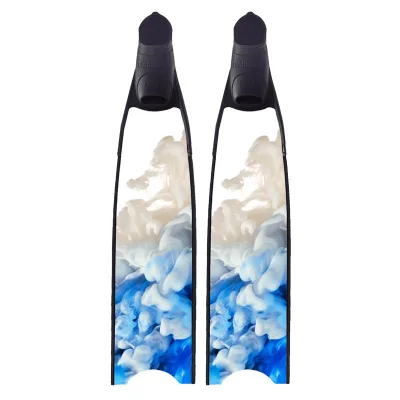
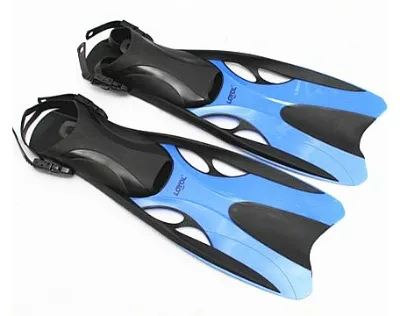
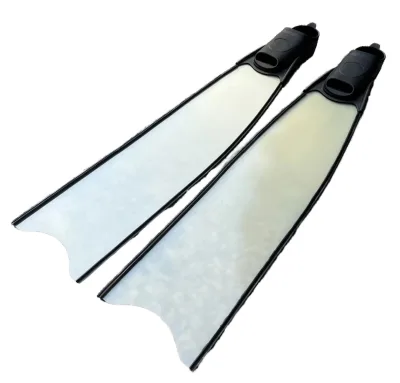
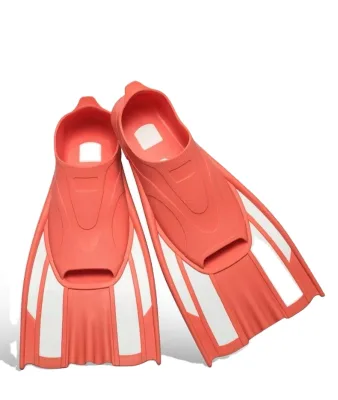
Buyers evaluating carbon fiber diving fins must first distinguish between high-performance freediving blades and adjustable scuba models, as the supplied data reveals distinct product lines with varying stiffness and blade configurations. The observed listings include specific model numbers like SW886606V and CF3811P, indicating that manufacturers offer specialized designs for different underwater disciplines rather than a single generic fin. Understanding these functional differences is critical before initiating contact, as the intended use dictates the required material layup and blade geometry.
Procurement teams should also scrutinize the observed supply capabilities, which range from 3,000 to 5,000 pairs per month across different suppliers, to ensure the vendor can meet projected volume requirements. The data indicates that some products are packaged in export cartons containing six pairs, while others use four pairs per carton, a detail that directly impacts logistics planning and storage costs. Buyers must align their order quantities with these packaging constraints to avoid unnecessary shipping expenses or inventory fragmentation.
Product Scope and Observed Listing Signals
The market for carbon fiber diving fins currently displays a wide price variance, with observed listings ranging from 5 to 457.99 USD, reflecting differences in material quality, brand positioning, and manufacturing complexity. This broad spectrum suggests that buyers must carefully verify the specific carbon fiber grade, such as the 12K carbon mentioned in some listings, to understand the value proposition of a particular unit. Lower-priced items may utilize hybrid materials or different resin systems, while premium models likely feature full carbon construction for maximum energy transfer.
Buyers should also note the specific model identifiers and color options available, such as the black and white variants or solid black designs, which often correlate with specific performance characteristics or aesthetic preferences. The presence of OEM and ODM acceptance across multiple listings indicates that many manufacturers are willing to customize branding and specifications, allowing buyers to create private label products. However, this flexibility requires clear communication of technical requirements to ensure the final product matches the intended performance profile.
Technical Specifications to Verify
When assessing technical specifications, the stiffness rating is a primary differentiator, with observed data listing options ranging from soft to hard, which directly influences the fin's kick efficiency and fatigue resistance. Buyers must verify the exact stiffness profile required for their target demographic, as adult divers often prefer stiffer blades for freediving while scuba divers might require adjustable or medium-stiffness options for comfort. The model numbers provided, such as AK-CB079 and AKJ-4587, serve as unique identifiers for these specific stiffness and design configurations.
Material composition and dimensional accuracy are equally critical, with some listings specifying a medium thickness and others detailing precise size ranges like 35-36 up to 45-46. The single package size and gross weight data, such as 90x10x10 cm and 0.200 kg, provide essential metrics for calculating freight costs and storage requirements. Buyers should cross-reference these physical dimensions with their logistical constraints to ensure that the selected fins can be efficiently transported and stored without incurring excessive dimensional weight charges.
Compliance and Safety Documentation
While the supplied facts do not explicitly list specific certification standards, buyers must request proof of material safety and structural integrity testing before finalizing any purchase order. Carbon fiber products used in underwater environments are subject to rigorous stress testing to prevent blade failure, which could lead to serious injury for the diver. Procurement teams should ask suppliers to provide test reports or compliance documentation that verifies the resin bonding and fiber alignment meet industry safety expectations.
Documentation regarding the manufacturing origin is also vital, as the data confirms that these products originate from Guangdong, China, with dispatch ports in Shantou. Buyers should verify that the supplier adheres to local and international export regulations, ensuring that the carbon fiber materials and finished goods are cleared for international trade without legal impediments. Requesting a certificate of origin and any relevant export licenses helps mitigate supply chain risks and ensures smooth customs clearance upon arrival.
Cost Drivers and Commercial Terms
The minimum order quantity (MOQ) is a significant cost driver, with observed requirements ranging from 1 to 100 pairs, though specific listings indicate MOQs of 48 pairs per size and color or 50 pairs for other models. Buyers must calculate the total cost of ownership by factoring in these MOQ constraints, as ordering below the threshold may result in higher per-unit costs or the inability to secure the product. Understanding the packaging details, such as the C-TYPE, V-TYPE, or R-TYPE configurations, is also essential for optimizing the order volume to meet these minimums efficiently.
Supply ability and lead times further influence commercial terms, with some suppliers offering 5,000 pairs per month while others list 3,000 pairs. Buyers should negotiate payment terms and delivery schedules that align with these production capacities to avoid delays that could disrupt their inventory planning. The variability in supply ability suggests that early engagement with the supplier is necessary to secure production slots, especially during peak seasons when demand for diving accessories typically increases.
Supplier Qualification and Quality Control
Supplier qualification should focus on verifying the consistency of their manufacturing processes, particularly given the variation in brand names like AquaGear, AquGear, and AKJ found in the listings. Buyers must ensure that the supplier has a robust quality control system in place to maintain the integrity of the carbon fiber construction, as inconsistencies in the layup process can lead to weak points or premature failure. Requesting samples from different production batches allows buyers to assess the uniformity of the product before committing to a large order.
The acceptance of OEM and ODM services indicates that suppliers are capable of customizing products, but this requires a high level of communication and oversight to ensure specifications are met. Buyers should establish clear quality checkpoints during the production process, including inspections of the blade attachment and the overall finish of the fins. Regular communication with the supplier's quality assurance team helps identify and resolve potential issues before the goods are shipped, ensuring that the final delivery meets the buyer's standards.
Long-Term Procurement Checks
Establishing a long-term relationship with a supplier requires ongoing monitoring of their supply ability and consistency in meeting delivery schedules. Buyers should track the supplier's performance over multiple orders to ensure that their monthly capacity of 3,000 to 5,000 pairs remains stable and that they can scale production as demand grows. This continuous evaluation helps identify any potential bottlenecks in the supply chain and allows for proactive adjustments to procurement strategies.
Regular audits of the product quality and adherence to technical specifications are essential for maintaining the integrity of the brand and ensuring customer satisfaction. Buyers should implement a feedback loop with their end-users to gather data on the performance of the fins in real-world conditions, using this information to refine future orders. By maintaining a disciplined approach to supplier management and quality control, buyers can secure a reliable source of high-performance carbon fiber diving fins for their business.
FAQs
What materials are used for these diving fins?
The fins are primarily constructed from carbon fiber and rubber. Specific models utilize carbon 12K for enhanced stiffness and performance. Other variants feature rubber blades for flexibility. These materials ensure durability and efficient power transfer during underwater activities, catering to both professional and recreational divers seeking reliable gear.
What is the minimum order quantity for these fins?
The minimum order quantity varies by model, typically ranging from 48 to 50 pairs. Some listings specify 48 pairs per size and color combination. Buyers should verify the specific MOQ for their chosen model, as requirements depend on the manufacturer's production capacity and customization needs for bulk orders.
Can I customize the fins with my brand logo?
Yes, OEM and ODM services are acceptable for these products. Buyers can request custom branding, packaging, or design modifications. This flexibility allows businesses to create unique product lines. Confirm specific customization capabilities and lead times with the supplier to ensure your brand requirements are met efficiently.
Where are these carbon fiber fins manufactured?
These fins are manufactured in Guangdong, China, with dispatch ports in Shantou. The production facilities are located in this region, ensuring access to established supply chains. Buyers sourcing from this area benefit from efficient logistics and established manufacturing expertise in water sports equipment production.
What sizes are available for these diving fins?
Available sizes include specific ranges such as 35-36, 37-38, up to 45-46, as well as L and 42/43. Models vary in size offerings, so buyers must check the specific product specifications. Ensure you select the correct size based on your footwear measurements for optimal fit and performance.
What is the monthly supply capacity for these fins?
The supply ability ranges from 3000 to 5000 pairs per month depending on the model. This capacity supports regular bulk orders for distributors. Buyers requiring larger volumes should confirm current production schedules with the supplier to ensure timely delivery and consistent supply chain stability for their inventory needs.